Language
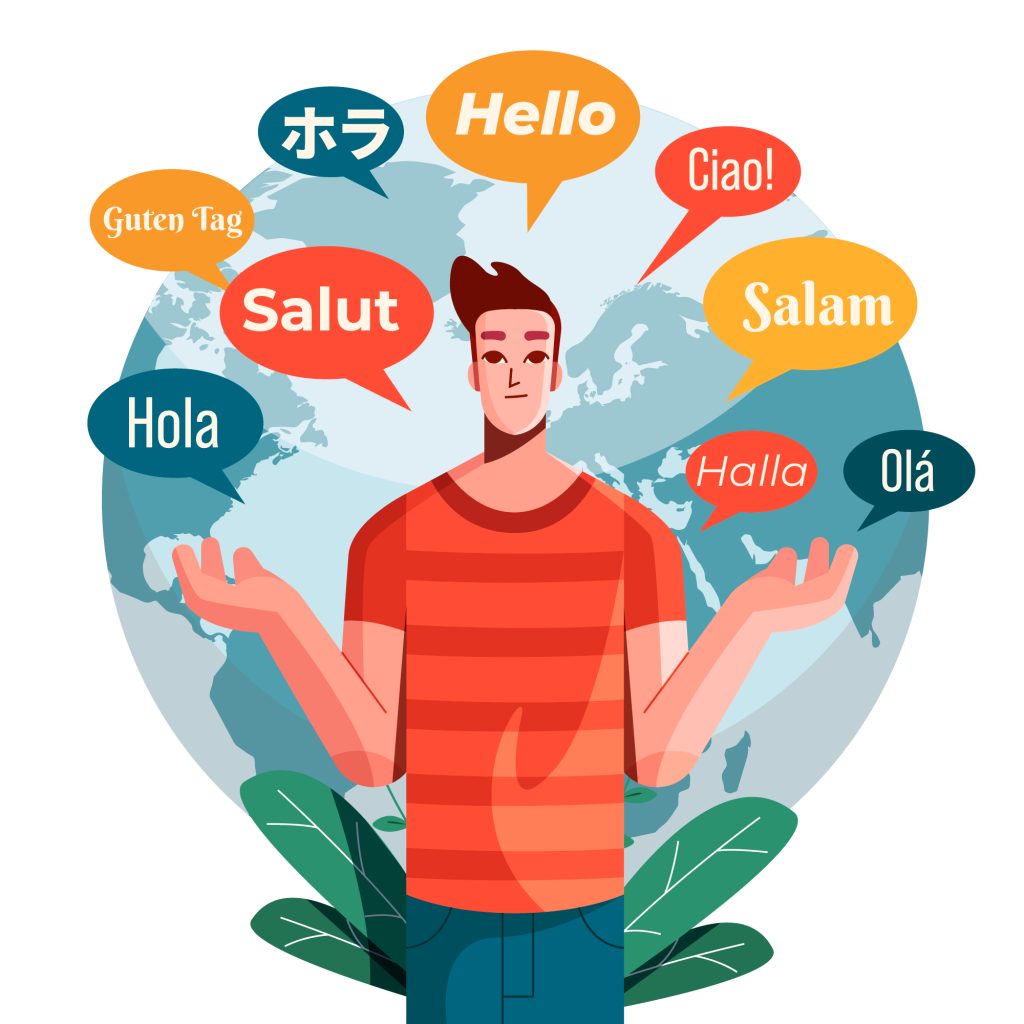
Provided by: freepik.com
Imagine navigating a world where the primary communication consists of hums at a frequency you can’t quite make sense of; this is the daily reality for non-English learners immersed in English-speaking environments. Every interaction, from deciphering classroom instructions to understanding a simple street sign, becomes a complex puzzle demanding immense cognitive effort. The frustration of knowing what you want to express but lacking the linguistic tools to articulate it can be profoundly isolating and frustrating, hindering not only academic progress but also social interactions. This constant struggle to decode and be understood often leads to feelings of inadequacy and exhaustion, creating a significant barrier to accessing opportunities and realizing one’s full potential.
Translators
The significant hurdle faced by non-English learners can be mitigated by embracing the power of readily available translation tools such as Google Translate or Microsoft Bing Translator. These digital resources act as crucial bridges, instantly converting English text and spoken words into a student’s native language in real time, thereby unlocking access to educational materials, instructions, and discussions. By removing the immediate barrier of linguistic comprehension, translation tools empower learners to focus on the core concepts and engage more confidently with the curriculum. This not only fosters a more inclusive and equitable learning environment but also allows students to actively participate and thrive, regardless of their English, ultimately creating the way for greater academic success.